


Electrical wire film VS electrostatic film
Source:Electrical wire film VS electrostatic filmTime:2019-05-16Visitors:
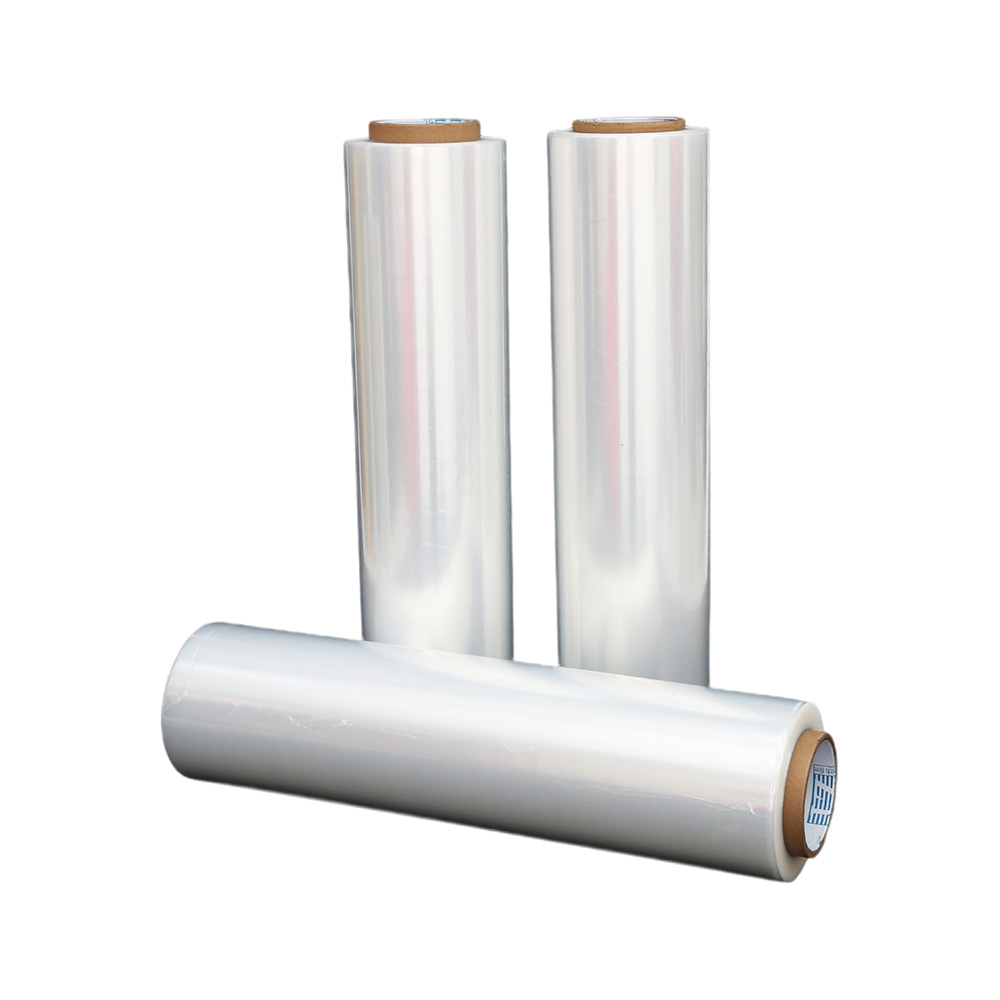
Electrical Wire film, also known as PVC wire film or PVC wire wrapping film, is a high-end packaging protective film, which is used in packaging chemicals, electronic parts, building materials, rubber, low brick, tile, screw, wallpaper, leather. , glass fiber, non-woven fabrics, paper rolls, wire, wire and other industries.
The electrostatic film is also called a non-adhesive film. It is a product made of PE material and PVC material. This kind of electrostatic film is mostly used for the surface sensitive to adhesive or glue residue. It is mostly used for very smooth surfaces such as glass, lens, high gloss plastic surface, acrylic and so on.
The above is a brief introduction to the Electrical wire film and the electrostatic film. What is the difference between the wire film and the electrostatic film? Let's take a look at it together.
About the Electrical wire film:
The Electrical wire film has good adhesion so that the packaging film layer on the outside of the goods is adhered to the layer to make the goods firm, and there are two main methods for obtaining the viscosity:
1. One is to add PIB or its masterbatch to the polymer
2. The other is to mix VLDPE PIB into a translucent viscous liquid. Direct addition requires special equipment or equipment modification. PIB masterbatch is generally used.
There is a process for PIB to move out, usually three days, and it is also affected by temperature. When the temperature is high, the viscosity is strong; when the temperature is low, it is not sticky, and the viscosity is greatly reduced after stretching. Therefore, the finished film is preferably stored in a certain temperature range (the recommended storage temperature is 15 ° C ~ 25 ° C). The VLDPE blend is slightly less viscous, but there is no special requirement for the equipment, the viscosity is relatively stable, and it is not time controlled, but also The effect of temperature is relatively sticky when the temperature is higher than 30 °C, and the viscosity is slightly worse when the temperature is lower than 15 °C. The amount of LLDPE in the adhesive layer can be adjusted to achieve the desired viscosity.
About electrostatic film:
The electrostatic film does not feel static from the outside. The electrostatic film is self-adhesive, has low adhesion, and is used in high-brightness surfaces. Generally, the thickness is 3 filaments, 5 filaments, and 8 filaments. The color is transparent. Moreover, the electrostatic film uses the frictional electrification of the object and its distributed capacitance to the earth to test the electrostatic charge of the object.
The difference between the wire film and the electrostatic film is actually quite different, the main difference is that they are high-end packaging protective film.

The electrostatic film is also called a non-adhesive film. It is a product made of PE material and PVC material. This kind of electrostatic film is mostly used for the surface sensitive to adhesive or glue residue. It is mostly used for very smooth surfaces such as glass, lens, high gloss plastic surface, acrylic and so on.
The above is a brief introduction to the Electrical wire film and the electrostatic film. What is the difference between the wire film and the electrostatic film? Let's take a look at it together.
About the Electrical wire film:
The Electrical wire film has good adhesion so that the packaging film layer on the outside of the goods is adhered to the layer to make the goods firm, and there are two main methods for obtaining the viscosity:
1. One is to add PIB or its masterbatch to the polymer
2. The other is to mix VLDPE PIB into a translucent viscous liquid. Direct addition requires special equipment or equipment modification. PIB masterbatch is generally used.
There is a process for PIB to move out, usually three days, and it is also affected by temperature. When the temperature is high, the viscosity is strong; when the temperature is low, it is not sticky, and the viscosity is greatly reduced after stretching. Therefore, the finished film is preferably stored in a certain temperature range (the recommended storage temperature is 15 ° C ~ 25 ° C). The VLDPE blend is slightly less viscous, but there is no special requirement for the equipment, the viscosity is relatively stable, and it is not time controlled, but also The effect of temperature is relatively sticky when the temperature is higher than 30 °C, and the viscosity is slightly worse when the temperature is lower than 15 °C. The amount of LLDPE in the adhesive layer can be adjusted to achieve the desired viscosity.
About electrostatic film:
The electrostatic film does not feel static from the outside. The electrostatic film is self-adhesive, has low adhesion, and is used in high-brightness surfaces. Generally, the thickness is 3 filaments, 5 filaments, and 8 filaments. The color is transparent. Moreover, the electrostatic film uses the frictional electrification of the object and its distributed capacitance to the earth to test the electrostatic charge of the object.
The difference between the wire film and the electrostatic film is actually quite different, the main difference is that they are high-end packaging protective film.
Recommended Products



Ranked in the same article
- how to use the stretch film technology to r
- How can we get detailed price list?
- Gauge to Micron and Millimetre Conversion G
- Five common quality problems of PE protecti
- Plastic film degradation
- How to guarantee punctual shipment for our
- What is the difference between stretch film
- Testing the permeability of stretch film
- Stretch film temperature requirements
- 2025 Guangzhou Packaging Expo Opens, Zhiten
- Electrical wire film VS electrostatic film
Latest news articles
- Bundling Stretch Film: The Ultimate Guide f
- how to use the stretch film technology to r
- The Ultimate Guide to Hand Stretch Film: Ev
- What Role Does Material Science Play in Enh
- Our services
- SWOP - SHANGHAI WORLD OF PACKAGING 2019
- What effects can different colours of Color
- Unraveling the Science: What Factors Influe
- What is Bundling Stretch Film? Your Packagi
- How to identify high quality flexible stret
- Why does stretch film wrinkle when it is us


