


How Can High-Yield Machine Stretch Film Cut Your Pallet Wrap
Source:How Can High-Yield Machine Stretch Film Cut Your Pallet WrapTime:2026-03-06Visitors:
Are your pallet wrapping costs eating into your profits, with excessive film usage and slow operations? Inefficient pallet wrapping leads to wasted material, increased labor, and compromised load stability. High-yield machine stretch film significantly cuts pallet wrapping costs by up to 20% through superior stretch, reduced film consumption, and enhanced load containment, optimizing material usage and improving operational efficiency.
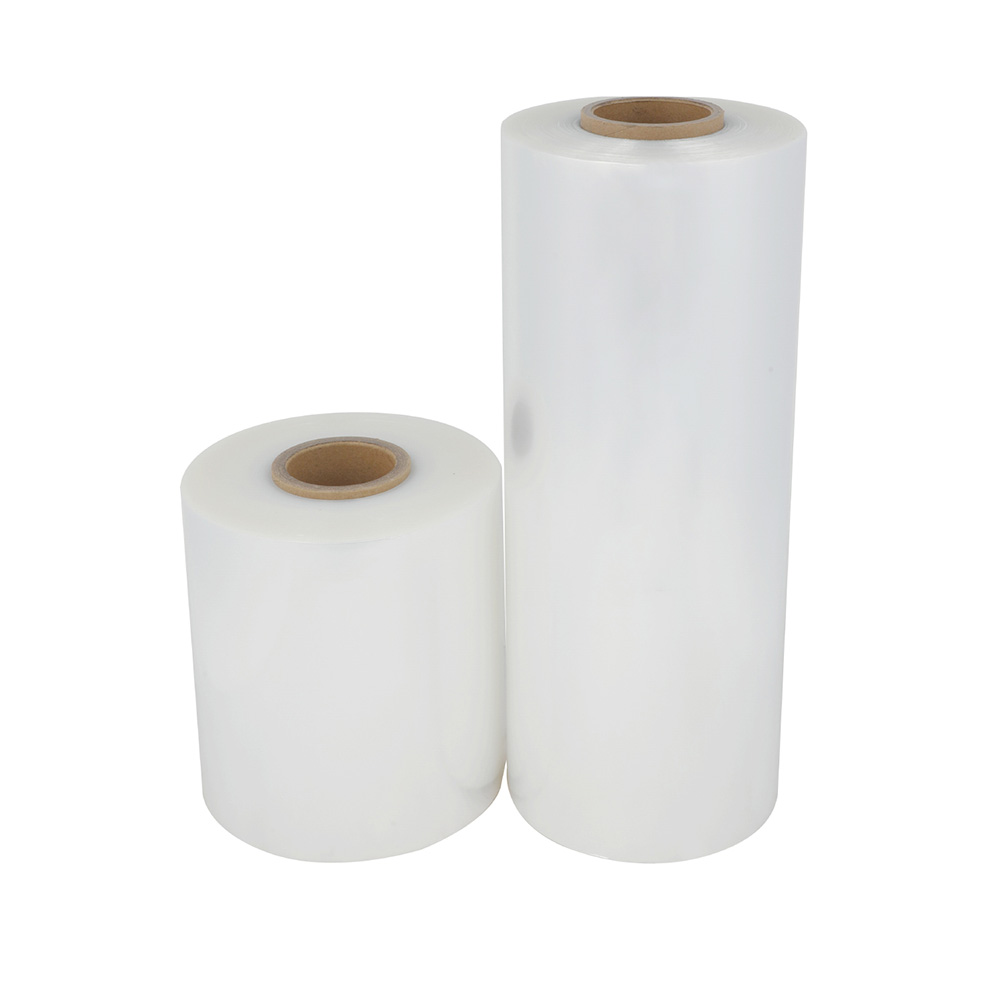
In today's competitive logistics and manufacturing landscape, every operational cost is under scrutiny. Pallet wrapping, while essential for securing goods during transit and storage, often represents a hidden drain on resources. Many businesses continue to use standard stretch films, unaware that advancements in film technology offer a powerful solution to this challenge. By transitioning to high-yield machine stretch film, companies can unlock substantial savings, transforming an often-overlooked expense into a strategic advantage.
Table of Contents
- What is High-Yield Machine Stretch Film and How Does it Differ?
- How Does High-Yield Film Reduce Material Consumption and Waste?
- What Operational Efficiencies Does High-Yield Film Bring to Pallet Wrapping?
- How Does High-Yield Film Enhance Load Stability and Reduce Damage?
- What Factors Influence the Cost Savings Achieved with High-Yield Film?
1. What is High-Yield Machine Stretch Film and How Does it Differ?
Understanding the technology behind high-yield machine stretch film is the first step toward unlocking significant cost savings. It's not just about thickness, but about engineered performance.
High-yield machine stretch film is an advanced polyethylene film engineered for exceptional stretch and strength at thinner gauges, differing from standard films by offering superior load containment with significantly less material, thanks to its enhanced elasticity and tear resistance.
1.1 Engineering for Maximum Stretch and Strength
High-yield machine stretch films are a product of advanced polymer science and manufacturing processes. They utilize specialized resin blends, often incorporating metallocene Linear Low-Density Polyethylene (LLDPE), and are produced through multi-layer co-extrusion. This engineering allows the film to stretch significantly (often 250% to 300% or more) while maintaining excellent puncture and tear resistance. The goal is to achieve superior load containment with a thinner, lighter film, meaning a smaller amount of film can cover more surface area and provide a stronger, more secure wrap.
-
Example 1: Advanced Film Composition: Dongguan Zhiteng Plastic Products Co., Ltd.'s machine stretch film is developed with "excellent tensile strength" and "high rebound force," indicating its advanced engineering for high performance.
-
Example 2: Gauge Comparison: A standard 80-gauge (0.8 mil) film might stretch 150-200%, whereas a high-yield 50-60 gauge (0.5-0.6 mil) film can stretch 250-300% or more, providing equivalent or even superior load containment with less material.
1.2 The Role of Pre-Stretch in Machine Application
The full potential of high-yield machine stretch film is realized when applied by a pallet wrapper equipped with a powered pre-stretch carriage. This carriage stretches the film before it is applied to the load, maximizing its yield and creating a tight, secure wrap. High-yield films are specifically formulated to withstand this aggressive pre-stretch without breaking, ensuring consistent performance. Without a pre-stretch mechanism, the film's high-yield properties cannot be fully activated, and the benefits of reduced material consumption would be significantly diminished.
- Example 1: Pre-stretch Mechanism: A pallet wrapper set to 250% pre-stretch will take 1 foot of film from the roll and stretch it to 3.5 feet before it even touches the pallet, drastically reducing the amount of film consumed.
- Example 2: Zhiteng's Pre-stretched Film: Zhiteng's "pre-stretched film" is optimized for machine application, designed to leverage the machine's capabilities to achieve maximum stretch and load stability, ensuring efficient use of the film's inherent properties.
-
Key Aspects of Pre-Stretch:
-
Pre-stretch Carriage: Essential for activating the high-yield properties of the film.
-
Consistent Tension: Ensures uniform wrap and load containment.
-
Reduced Film Breaks: High-quality film withstands aggressive stretching.
-
Optimized Film Usage: Maximizes the linear feet of film per roll.
-
2. How Does High-Yield Film Reduce Material Consumption and Waste?
The most direct path to cost savings in pallet wrapping is through reducing the amount of film used per pallet. High-yield film excels at this.
High-yield machine stretch film reduces material consumption by allowing fewer wraps per pallet and using thinner gauges, as its superior stretch and strength provide equivalent or better load containment with significantly less plastic, directly cutting film costs and minimizing waste.
2.1 Fewer Wraps, Thinner Gauges, Same Protection
Due to its enhanced elasticity, memory, and strength, high-yield film can achieve the same, or even superior, level of load containment and puncture resistance with fewer layers and a thinner gauge compared to standard films. This means a 50-gauge high-yield film can often effectively replace an 80-gauge standard film, requiring fewer rotations around the pallet to achieve the desired security. This direct reduction in film usage per pallet is the primary driver of material cost savings and a significant reduction in plastic waste.
- Example 1: Pallet Wrap Optimization: A warehouse previously using 80-gauge standard film with 5 wraps per pallet might switch to 60-gauge high-yield film with only 3-4 wraps, achieving the same or better load stability and protection.
- Example 2: Zhiteng's Film Performance: Zhiteng's emphasis on "excellent tensile strength" and "high rebound force" in their films directly contributes to achieving strong containment with less material, maximizing efficiency for their customers.
2.2 Minimizing Film Breaks and Rework
Film breaks during the wrapping process are a significant source of wasted film, operational downtime, and increased labor costs due to the need for re-wrapping. High-yield films are specifically designed with superior tear and puncture resistance, even at thinner gauges. This robustness makes them less prone to breaking during the aggressive pre-stretch process or when encountering slight irregularities on the load. Fewer breaks mean less wasted film, more consistent wrapping, and a smoother operation.
- Example 1: Reducing Breakage: A distribution center wrapping pallets with slightly irregular or sharp-edged loads found that standard film frequently tore, leading to 10% film waste. Switching to high-yield film reduced breaks by 80%, saving both film material and the labor associated with re-wrapping.
- Example 2: Zhiteng's Quality Focus: Zhiteng's commitment to "quality, service, and environmental protection are prioritized" aligns with producing durable films that minimize breaks and waste, contributing to a more sustainable and cost-effective packaging solution.
Practical advice: Regularly inspect your pallet wrapper's pre-stretch rollers for wear or damage, as worn rollers can cause film breaks regardless of film quality. Additionally, ensure that any sharp edges on your loads are protected to further prevent film tearing.
3. What Operational Efficiencies Does High-Yield Film Bring to Pallet Wrapping?
Beyond material savings, high-yield film significantly enhances the overall efficiency of your pallet wrapping operations.
High-yield machine stretch film boosts operational efficiencies by reducing the frequency of film roll changes, decreasing labor time per pallet, and allowing for faster wrapping cycles, leading to higher throughput and optimized use of pallet wrapping equipment and personnel.
3.1 Fewer Roll Changes and Reduced Downtime
Because high-yield film stretches significantly further, a single roll contains substantially more usable film (linear feet) than a standard roll of the same weight. This means operators need to change film rolls much less frequently throughout a shift or day. Each roll change represents downtime for the pallet wrapper and labor time for the operator. Reducing the number of changes directly translates to increased machine uptime and higher overall wrapping capacity.
- Example 1: Increased Uptime: A busy warehouse wrapping 100 pallets per shift might reduce film roll changes from 5 to 2 by switching to high-yield film, saving valuable minutes per change and allowing the machine to operate for longer periods.
- Example 2: Zhiteng's Machine Stretch Film: Zhiteng's machine stretch film is designed to maximize output, allowing for more continuous operation and fewer interruptions, which is critical in high-volume environments.
3.2 Faster Wrapping Cycles and Increased Throughput
With fewer wraps needed per pallet and less time spent on film roll changes, the overall cycle time for wrapping each pallet is reduced. This allows for more pallets to be wrapped in the same amount of time, significantly increasing throughput. Businesses can handle higher volumes without needing to invest in additional labor or equipment, leading to improved efficiency in their warehouse distribution and shipping processes.
- Example 1: Capacity Increase: A company was able to increase its pallet wrapping capacity by 15% without purchasing a new machine or hiring more staff, simply by switching to high-yield film and optimizing wrap patterns.
- Example 2: Optimized Warehouse Distribution: Zhiteng's films are crucial for "warehouse distribution," where speed and efficiency are key to meeting tight deadlines and managing high volumes of goods.
Practical advice: Analyze your current wrapping patterns and consider reducing the number of wraps or adjusting overlap when transitioning to high-yield film. Always ensure that load stability is maintained even with fewer wraps.
4. How Does High-Yield Film Enhance Load Stability and Reduce Damage?
Cost savings aren't just about film; they're also about preventing costly product damage. High-yield film plays a critical role here.
High-yield machine stretch film enhances load stability and reduces damage by providing superior containment force and memory, tightly securing cartons to the pallet, preventing shifting during transit, and offering robust protection against dust and moisture, minimizing product loss and claims.
4.1 Superior Containment Force and Memory
When stretched and applied, high-yield films exhibit excellent "memory" or "rebound force." This means the film constantly tries to return to its original, unstretched state, creating a powerful, continuous squeeze on the load. This dynamic containment force is crucial for holding cartons firmly to the pallet and preventing shifting, even during sudden movements or impacts during transit. The superior memory ensures that the load remains tightly secured throughout its journey, reducing the risk of product damage.
- Example 1: Beverage Pallets: A beverage distributor experienced significant damage from shifting cases of bottles during transport. Switching to high-yield film with its superior containment force drastically reduced breakage and product loss.
- Example 2: Zhiteng's Rebound Force: Zhiteng highlights "high rebound force" as a core advantage of their films, directly contributing to enhanced load stability and preventing goods from shifting on the pallet.
-
Benefits of Superior Containment:
- Dynamic Containment: Film continuously pulls inward, adapting to load shifts.
- Reduced Shifting: Prevents cartons from moving, especially during sudden stops or turns.
- Improved Stacking: Allows for more stable multi-pallet stacking.
- Enhanced Safety: Secure loads are safer for forklift operators and warehouse personnel.
4.2 Robust Protection Against Environmental Factors
Like all quality stretch films, high-yield films provide a crucial protective barrier against dust, dirt, and moisture. Even at thinner gauges, the multi-layered wrap created by efficient application offers significant environmental protection. This helps to prevent product contamination, moisture damage (such as rust on metal parts or mold on organic materials), and general degradation of product quality during storage and transit. This added protection contributes to overall cost savings by reducing product loss and customer claims.
- Example 1: Electronic Components: A company shipping sensitive electronic components found that high-yield film effectively protected pallets from dust and light rain during transit, significantly reducing contamination issues and ensuring product integrity.
- Example 2: Zhiteng's Protective Properties: Zhiteng's films are known for being "moisture-proof, dust-proof," ensuring that products remain in optimal condition from the warehouse to the final destination.
Practical advice: For maximum moisture protection, ensure the film extends fully to the bottom of the pallet and consider using a top sheet for complete coverage, especially for loads exposed to outdoor elements.
5. What Factors Influence the Cost Savings Achieved with High-Yield Film?
While high-yield film offers significant savings potential, the actual reduction in costs depends on several key factors within your operation.
Cost savings with high-yield machine stretch film are influenced by current film usage, the efficiency of your pallet wrapper, labor costs, the type and stability of your loads, and the quality of the high-yield film chosen, requiring a holistic evaluation for maximum impact.
5.1 Current Film Usage and Pallet Wrapper Efficiency
The magnitude of your potential savings is directly proportional to your current film consumption. If you are currently using thick films, excessive wraps, or an inefficient pallet wrapper, your baseline costs are higher, leading to greater potential savings from switching to high-yield film. The efficiency of your pallet wrapper, particularly its pre-stretch capabilities, is also critical. Older machines with limited pre-stretch (e.g., 100-150%) may not fully leverage the benefits of high-yield film, potentially requiring a machine upgrade to unlock maximum savings.
- Example 1: Machine Upgrade Impact: A company using an older wrapper with 100% pre-stretch and 80-gauge standard film might only achieve 5-10% savings. Upgrading to a modern machine with 250%+ pre-stretch and using 60-gauge high-yield film could push savings to 25% or more.
- Example 2: Zhiteng's Expertise: Zhiteng's "professional technical personnel, and advanced technology and equipment" can advise on optimal film and machine pairings to ensure customers get the most out of their high-yield film investment.
5.2 Labor Costs and Load Characteristics
Labor costs are a significant component of pallet wrapping, especially in high-volume operations. Reducing film roll changes and overall wrapping time directly translates to labor savings. Additionally, the characteristics of your loads—such as their stability, weight, and the presence of sharp edges—influence the minimum film requirements and the optimal choice of high-yield film. Extremely unstable or heavy loads may still require more wraps or a slightly thicker high-yield film, which might reduce the percentage of savings but will still offer benefits over standard film.
- Example 1: Labor Savings Justification: A company with high labor rates found that reducing roll changes by 3 per shift saved them a substantial amount per day, quickly justifying the slightly higher per-roll cost of high-yield film.
- Example 2: Zhiteng's Quality Assurance: Zhiteng's "ISO 9001" certification ensures consistent film quality, which reduces variability in load stability and allows for more predictable and optimized wrapping patterns.
Practical advice: Conduct a trial with high-yield film on your most common load types. Measure film usage, wrap time, and load stability. Compare these metrics against your current process to accurately quantify savings. Zhiteng offers free samples (buyer pays shipping) which can be valuable for such trials, allowing you to test performance in your specific operational environment.
Conclusion
Transitioning to high-yield machine stretch film is a proven strategy for significantly reducing pallet wrapping costs while simultaneously enhancing operational efficiency and load protection. By leveraging advanced film technology, businesses can achieve substantial savings on material consumption, minimize waste, and streamline their wrapping processes through fewer roll changes and faster cycles. Crucially, this cost reduction doesn't come at the expense of load stability; instead, high-yield films offer superior containment force and robust environmental protection, safeguarding products and reducing damage claims. To maximize these benefits, a careful evaluation of current operations, film specifications, and dispenser capabilities is essential. Embracing high-yield machine stretch film is a smart investment that transforms an everyday operational expense into a powerful driver of profitability and efficiency.
Recommended Products



Ranked in the same article
- how to use the stretch film technology to r
- How can we get detailed price list?
- Gauge to Micron and Millimetre Conversion G
- Five common quality problems of PE protecti
- Plastic film degradation
- How to guarantee punctual shipment for our
- What is the difference between stretch film
- Testing the permeability of stretch film
- Stretch film temperature requirements
- 2025 Guangzhou Packaging Expo Opens, Zhiten
- Electrical wire film VS electrostatic film
Latest news articles
- SWOP - SHANGHAI WORLD OF PACKAGING 2019
- The Ultimate Guide to Hand Stretch Film: Ev
- What Role Does Material Science Play in Enh
- Our services
- Why does stretch film wrinkle when it is us
- How to identify high quality flexible stret
- Bundling Stretch Film: The Ultimate Guide f
- What effects can different colours of Color
- What is Bundling Stretch Film? Your Packagi
- how to use the stretch film technology to r
- Unraveling the Science: What Factors Influe


