


Machine Stretch Film vs Hand Stretch Film
Source:Machine Stretch Film vs Hand Stretch FilmTime:2026-06-23Visitors:
Struggling with inconsistent pallet stability and rising material costs? Manual wrapping often leads to worker fatigue and wasted film, while machines require upfront investment. Choosing the wrong method can compromise your cargo's safety and your warehouse's efficiency, leading to damaged goods and lost profits.
The main difference lies in application and efficiency: hand stretch film is designed for manual use in low-volume operations, offering flexibility and low initial cost. Machine stretch film is engineered for automated equipment, providing superior pre-stretch ratios, consistent tension, and significant material savings for high-volume packaging.
The transition from hand wrapping to machine automation is a significant milestone for any growing business. While hand film offers the ultimate portability for small workshops, the precision of a machine can transform a chaotic shipping dock into a streamlined, cost-effective powerhouse. Understanding the technical nuances of each will help you decide when it’s time to upgrade.
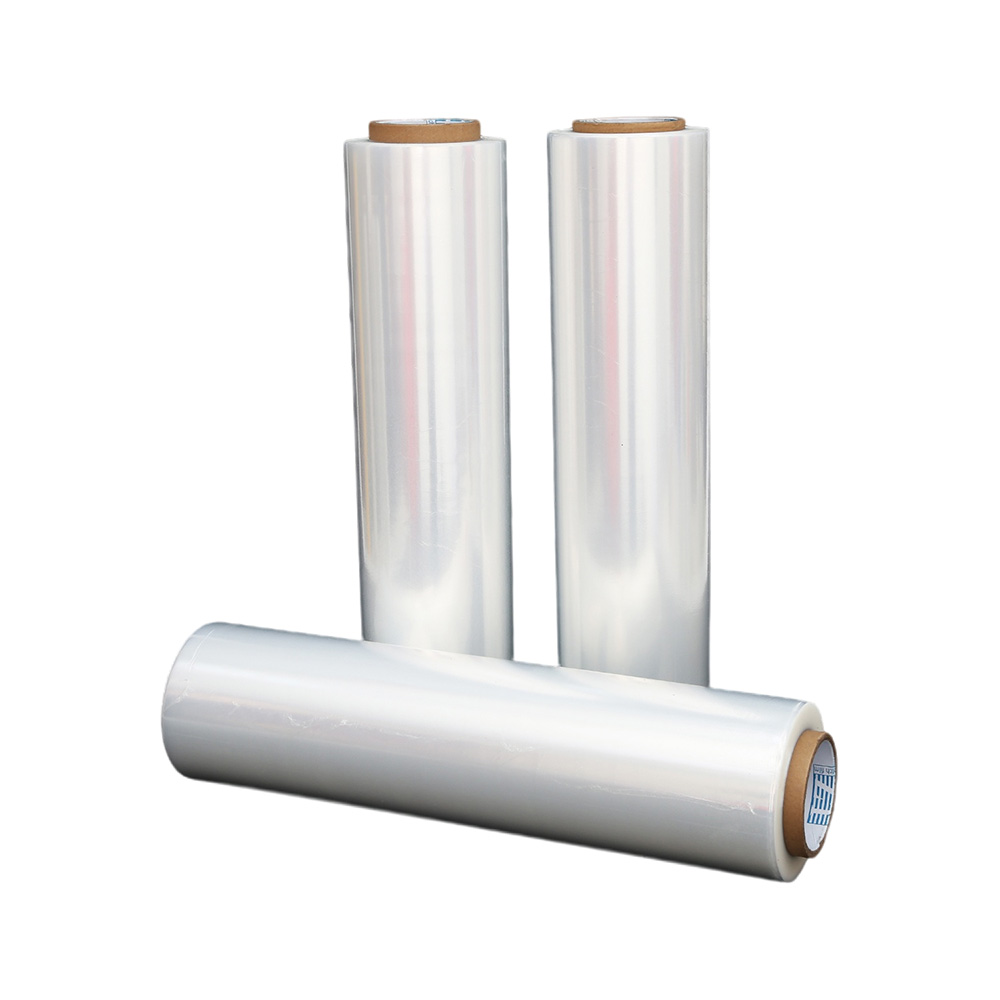
Table of Contents
1. What Are the Key Differences in Application?
Understanding how each film is applied is the first step in optimizing your packaging line. The choice depends heavily on your daily pallet volume, the physical layout of your facility, and the weight of the loads you handle.
Hand stretch film is applied manually by workers using lightweight rolls, ideal for wrapping fewer than 10-15 pallets per day. Machine stretch film requires a pallet wrapper, which automates the process to handle hundreds of pallets with consistent tension and high-speed efficiency, reducing labor requirements.
1.1 Manual Flexibility vs. Automated Precision
Hand stretch film is the "go-to" solution for businesses with decentralized packing areas or irregular shipping schedules. Because it requires no heavy machinery, workers can wrap pallets anywhere in the warehouse. Dongguan Zhiteng Plastic Products Co., Ltd. produces hand films that are "soft and smooth to the touch," making them easier for workers to handle during repetitive tasks. However, the quality of a hand-wrapped pallet is entirely dependent on the operator's skill and physical stamina.
In contrast, machine stretch film is used with turntable, rotary arm, or orbital wrappers. This method removes the human element from the wrapping process. Theoretically, automation ensures that every pallet receives the exact same number of wraps and the same amount of tension. Practically, this is essential for high-volume distribution centers where consistency is the key to avoiding transit damage. The design trade-off for machine film is the lack of mobility; pallets must be brought to the machine, which requires a more structured warehouse flow.
1.2 Practical Examples in Industry
- Example 1: Small E-commerce Startup: A boutique online retailer wrapping 5 pallets a day uses Zhiteng's "hand stretch film" because it requires zero capital investment and can be done in a small garage space.
- Example 2: Large Electronics Factory: A supplier like Foxconn uses "machine stretch film" on high-speed lines to wrap hundreds of pallets of components daily, ensuring each one meets strict safety standards for international shipping.
2. How Do Performance and Pre-Stretch Ratios Compare?
Performance metrics like tensile strength and pre-stretch determine how much plastic you actually use per pallet. These technical factors directly impact your "cost per pallet" and the environmental footprint of your operations.
Machine stretch film offers significantly higher pre-stretch ratios, often exceeding 250-300%, which maximizes film yield and reduces waste. Hand film typically has lower stretchability and relies on the operator's physical strength to create the necessary tension for load stability, often leading to higher material consumption.
2.1 Material Yield and Cost Efficiency
The "pre-stretch" capability of machine film is its greatest economic advantage. A machine can take 1 meter of film and stretch it to 3 or 4 meters before it is applied to the pallet. This high yield means you use far less plastic to achieve the same holding force. Zhiteng’s PE stretch film is engineered with "excellent tensile force and high rebound force," allowing it to be stretched to its limit without snapping.
From a multi-angle analysis, hand film is rarely stretched more than 50-100% because humans simply don't have the mechanical strength to pull it tighter. This means that for every pallet wrapped by hand, you are likely using twice as much plastic as a machine would. Theoretically, this leads to higher "hidden costs" in material waste. Practically, the higher cost of machine film per roll is quickly offset by the fact that you need fewer rolls to wrap the same number of pallets.
- Example 1: Material Savings: A warehouse switching to machine film with a 250% pre-stretch ratio can reduce their annual plastic consumption by up to 40%, significantly lowering their environmental impact.
- Example 2: Load Retention: Zhiteng's machine film maintains a "memory" that keeps it tight around the load. In contrast, hand-wrapped pallets often loosen over time because the film wasn't stretched enough during application.
2.2 Technical Comparison Table
3. Which Method Offers Better Load Security and Safety?
Ensuring that goods arrive undamaged is the ultimate goal of any packaging strategy. The consistency of the wrap plays a vital role in preventing shifts during long-distance transit or storage, while also protecting the health of your workers.
Machine wrapping provides superior load security through consistent, high-tension application that eliminates human error. While hand wrapping is versatile, it often results in uneven tension and worker fatigue, which can lead to pallet failure and increased risk of workplace injuries like back strain.
3.1 Consistency and Ergonomics
The primary risk with hand wrapping is "operator fatigue." As a worker wraps their tenth pallet of the day, they naturally apply less tension than they did on the first. This inconsistency leads to "loose" pallets that can collapse during transit. Machine wrapping provides a "set-and-forget" level of consistency. Whether it is the first or the five-hundredth pallet of the day, the machine applies the exact same containment force.
From a safety perspective, hand wrapping is physically demanding. Workers must walk backward in circles while bending low and reaching high, which is a leading cause of musculoskeletal injuries in warehouses. By switching to machine film, you protect your staff from long-term injury. Zhiteng, with over 16 years of experience, emphasizes that "quality, service, and environmental protection" are priorities, and providing safer machine-based solutions aligns with these corporate values.
- Example 1: Heavy Industrial Machinery: For heavy or irregular loads, a machine can apply the high tension necessary to lock the load to the pallet, something a human worker cannot safely achieve.
- Example 2: Workplace Safety: A distribution center reported a 30% decrease in worker compensation claims related to back strain after installing two semi-automatic pallet wrappers.
3.2 Security Features of Zhiteng Film
Zhiteng's films are "moisture-proof and dust-proof," ensuring that whether applied by hand or machine, the product remains protected from the elements. However, the "high rebound force" of their machine film provides a tighter "hug" around the cargo, which is essential for preventing theft and ensuring the load remains a single, solid unit during the vibrations of truck transport.
4. When Should You Upgrade from Hand to Machine Film?
Every growing business reaches a tipping point where manual labor becomes a bottleneck. Identifying this transition point is crucial for maintaining a competitive edge and scaling your logistics operations effectively.
You should upgrade to machine film when your volume exceeds 15-20 pallets per day or when labor costs and material waste outweigh the investment in machinery. Automation provides a rapid ROI through reduced film consumption, lower labor costs, and significantly improved warehouse throughput.
4.1 ROI Analysis and Scalability
The decision to upgrade is usually driven by a Return on Investment (ROI) calculation. If a worker spends 5 minutes wrapping a pallet by hand, and you wrap 20 pallets a day, that is nearly 2 hours of labor daily. A machine can do the same job in 1 minute with better results. Furthermore, the 30-40% savings in film costs add up quickly. For many businesses, a semi-automatic wrapper pays for itself within 12 to 18 months.
Zhiteng Plastic Products Co., Ltd. supports this transition by offering "OEM services" and a wide variety of "machine stretch films" tailored to different machine types. As a supplier to global giants like Walmart, they understand the scalability needs of growing brands. Theoretically, moving to machine film is a move toward "Operational Excellence." Practically, it allows your workers to focus on higher-value tasks like picking and inventory management rather than the repetitive task of wrapping.
- Example 1: Scaling Operations: A mid-sized manufacturer increased their shipping capacity by 50% without hiring new staff simply by automating their pallet wrapping station.
- Example 2: Cost Reduction: By switching to Zhiteng's high-performance machine film, a logistics company reduced their "cost per pallet" by $0.45, saving thousands of dollars annually.
4.2 Decision Matrix for Upgrading
Conclusion
The choice between machine and hand stretch film depends on your current scale and future goals. Hand film remains an essential tool for flexibility and low-volume needs, but machine film is the undisputed leader for efficiency, cost-savings, and load security in professional logistics. By partnering with an experienced manufacturer like Dongguan Zhiteng Plastic Products Co., Ltd., you can access high-quality PE films that maximize the benefits of whichever method you choose. Whether you are looking to protect your workers from strain or slash your material waste, the right stretch film is a cornerstone of a successful supply chain.
Recommended Products


Ranked in the same article
- how to use the stretch film technology to r
- How can we get detailed price list?
- Gauge to Micron and Millimetre Conversion G
- Five common quality problems of PE protecti
- Plastic film degradation
- How to guarantee punctual shipment for our
- What is the difference between stretch film
- Testing the permeability of stretch film
- Stretch film temperature requirements
- 2025 Guangzhou Packaging Expo Opens, Zhiten
- Electrical wire film VS electrostatic film
Latest news articles
- SWOP - SHANGHAI WORLD OF PACKAGING 2019
- What Role Does Material Science Play in Enh
- The Ultimate Guide to Hand Stretch Film: Ev
- How to identify high quality flexible stret
- Bundling Stretch Film: The Ultimate Guide f
- What is Bundling Stretch Film? Your Packagi
- Our services
- how to use the stretch film technology to r
- Unraveling the Science: What Factors Influe
- What effects can different colours of Color
- Why does stretch film wrinkle when it is us


