


Why Does Machine Stretch Film Slip After Wrapping?
Source:Why Does Machine Stretch Film Slip After Wrapping?Time:2026-08-04Visitors:
Discovering that your pallet wrap has slipped or unraveled after a load has been staged is a major safety and logistics risk. This "film tail" failure can lead to pallets getting caught in conveyor systems or loads shifting during transit. Machine stretch film slips after wrapping primarily due to insufficient "cling" properties in the film, excessive dust or moisture on the surface, or incorrect machine "wipe-down" settings. Ensuring high-quality resin and proper mechanical finishing at the end of the wrap cycle prevents these costly failures.
In a high-speed warehouse, the integrity of the wrap is what keeps a 2,000-pound load from becoming a safety hazard. When the film fails to adhere to itself—a phenomenon known as "cling failure"—the entire containment force of the pallet is compromised. Understanding whether the issue lies in the material quality or the machine's mechanical execution is the first step toward a permanent fix.
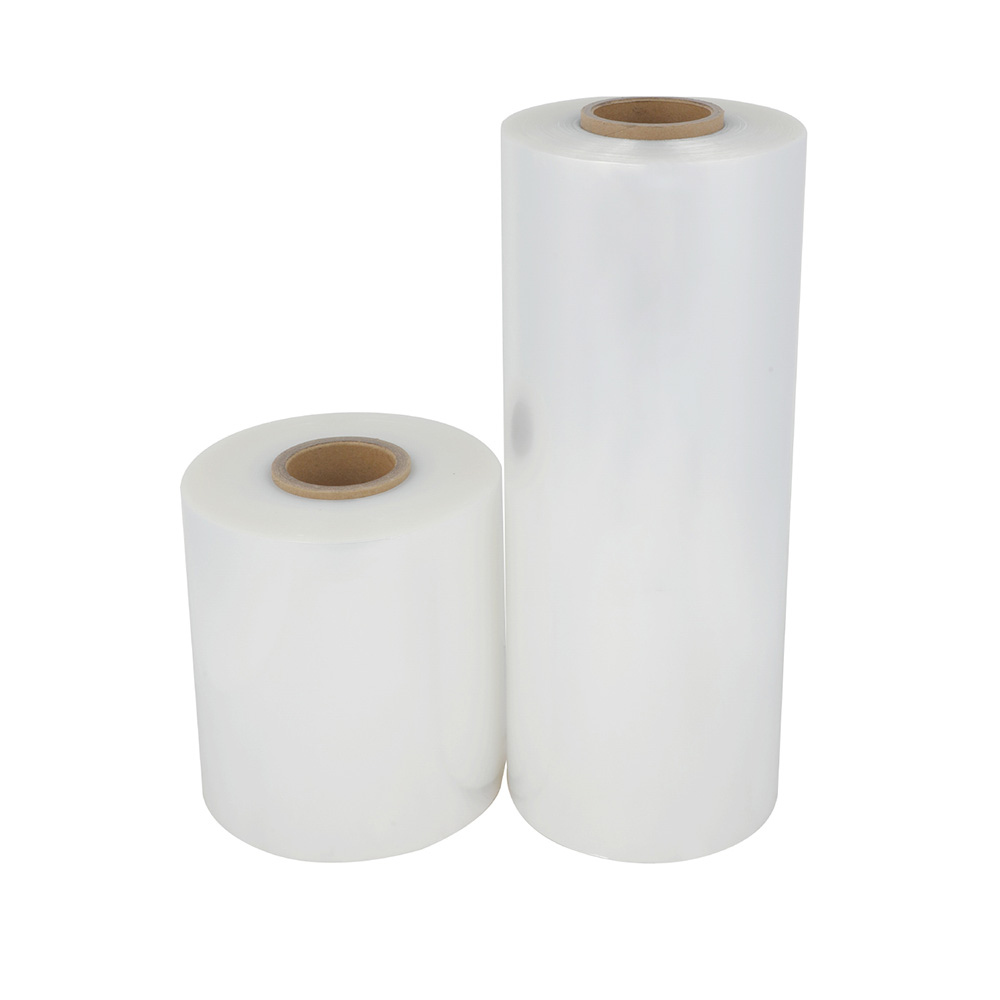 Why Does Machine Stretch Film Slip? Causes & Solutions | Zhiteng
Table of Contents
1. What Role Does Film "Cling" Play in Slippage?
Cling is the property that allows stretch film to stick to itself without the need for adhesives. It is the "glue" that holds the entire wrap together once the machine has finished its cycle.
Insufficient cling is a leading cause of film slippage, often resulting from low-quality resins or a lack of tackifying additives during the manufacturing process. High-performance films use specialized "cling layers" to ensure that the tail of the film bonds instantly and permanently to the previous layer, even under high tension.
1.1 The Chemistry of Cling: Cast vs. Blown
The method of manufacturing significantly impacts how well a film sticks to itself. Cast film, like the varieties produced by Dongguan Zhiteng Plastic Products Co., Ltd., is known for having excellent "one-sided cling." This allows the film to stick to the pallet but not to neighboring pallets in a truck. Theoretically, the cling is achieved by adding Linear Low-Density Polyethylene (LLDPE) resins. Practically, if a supplier cuts costs by reducing these additives, the film will feel "dry" and will likely slip off the pallet within minutes of wrapping.
From a multi-angle analysis, the design trade-off involves balancing "cling" with "slip." You want the film to stick to itself (cling) but not to other pallets (slip). Zhiteng's films are engineered to be "soft and smooth" on the outside while maintaining high internal tack. This ensures that the load remains a single unit without sticking to the pallet next to it during unloading.
1.2 Testing for Cling Strength
If you suspect your film is the problem, you can perform a simple "vertical cling test."
- Example 1: The Pull Test: Wrap a small section of film around a smooth surface and attempt to slide it vertically. If it slides with minimal resistance, the tackifier levels are too low.
- Example 2: Tail Inspection: Observe the end of the wrap. If the tail begins to peel back within 60 seconds of the machine stopping, the film lacks the necessary bonding strength for industrial use.
2. How Do Environmental Contaminants Affect Adhesion?
Even the highest quality film will fail to stick if the surface is contaminated. The environment of your warehouse plays a silent but critical role in the success of your packaging.
Environmental contaminants like dust, moisture, and extreme cold act as a barrier between film layers, preventing the cling additives from bonding. In dusty or refrigerated environments, the film tail is much more likely to slip because the "tack" cannot penetrate the layer of debris or frost on the pallet.
2.1 Dust and Moisture Barriers
In industries like construction or agriculture, dust is a constant presence. When a thin layer of dust settles on the pallet during the wrapping process, it creates a "dry" interface. The film's cling additives stick to the dust particles rather than the underlying plastic layer. Similarly, moisture from humidity or condensation in cold storage acts as a lubricant, causing the film to slide.
Zhiteng’s films are designed to be "moisture-proof and dust-proof" to protect the contents of the pallet, but the application area must also be kept clean. Theoretically, this is a surface energy issue; the dust lowers the surface energy of the film, making bonding impossible. Practically, many facilities solve this by installing "wipe-down" brushes on their machines that physically press the film tail onto a clean section of the wrap.
2.2 Temperature Sensitivity
Plastic polymers are highly sensitive to temperature. In cold environments, the tackifying agents in the film can become "dormant," losing their stickiness.
- Example 1: Cold Storage: A pallet wrapped in a 35°F cooler may look fine initially, but as the film loses its elasticity in the cold, the tail may pop off because the cling didn't set properly.
- Example 2: High Heat: Conversely, in extremely hot warehouses, the film can become too soft, causing it to stretch and thin out to the point where the tail loses its structural integrity and "creeps" or slips.
Environmental Solutions:
- Acclimation: Store film rolls at room temperature for 24 hours before use.
- Cleaning: Use an air blower to remove dust from the pallet before the final wrap cycle.
- Specialty Films: Use "cold-rated" films for refrigerated or frozen applications.
3. Can Incorrect Machine Settings Cause Tail Unraveling?
Sometimes the film is perfect, but the machine is failing to "finish" the job. The end of the wrap cycle is the most vulnerable moment for pallet integrity.
Incorrect machine settings, specifically the "tail treatment" or "wipe-down" phase, are common causes of slippage. If the machine does not apply enough pressure to the end of the film, or if the film is cut too far from the pallet, the tail will hang loose and eventually unravel due to wind or movement.
3.1 The Importance of the "Wipe-Down" Cycle
Most automated pallet wrappers have a "wipe-down" arm or a brush system. This component's job is to press the final 12 inches of film firmly against the pallet. If this arm is misaligned or the brush is worn out, the tail is merely "laid" onto the pallet rather than "bonded." Without that physical pressure, the cling additives don't have the chance to create a mechanical bond.
From a design trade-off perspective, faster cycle times often mean shorter wipe-down phases. However, saving three seconds on a wrap cycle is not worth the risk of a collapsed load. Zhiteng’s "machine stretch film" is optimized for high-speed application, but it still requires a properly calibrated machine to ensure the final seal is secure.
3.2 Film Tension and "Snap-Back"
If the tension is set too high at the very end of the cycle, the film will "snap back" when it is cut. This sudden release of energy can pull the tail away from the pallet before it has a chance to stick.
- Example 1: Cutting Blade Issues: A dull blade may pull on the film before cutting it, creating a jagged, high-tension tail that is prone to curling and slipping.
- Example 2: Tail Length: If the machine's "tail length" setting is too long, the excess film acts like a sail, catching the wind during transport and pulling the rest of the wrap loose.
Machine Calibration Checklist:
- Wipe-Down Pressure: Ensure the brush or roller makes firm contact with the pallet.
- Blade Sharpness: Replace cutting blades every 30-60 days to ensure a clean, tension-free cut.
- End-of-Cycle Tension: Program the machine to reduce tension during the final revolution.
4. How Does Film Gauge and Over-Stretching Lead to Slip?
There is a physical limit to how much a film can be stretched before it loses its ability to function. Pushing a film beyond its engineered limits is a frequent cause of "creep" and slippage.
Over-stretching the film beyond its rated capacity (e.g., stretching a 200% film to 300%) thins the cling layer and increases the "elastic memory" of the plastic. This causes the film to constantly try to shrink back to its original size, creating a continuous pulling force that eventually causes the tail to slip or the film to tear.
4.1 The "Thinning" Effect
When you stretch a machine film, you are thinning the material. If you use a film that is too thin for the load (e.g., using a 12-micron film for a 2,500lb load), the film must be wrapped with extreme tension to hold the weight. This extreme tension puts immense pressure on the final bond of the tail. Zhiteng provides various gauges and "pre-stretch" options to ensure customers use the right thickness for their specific application.
Theoretically, this is known as "stress relaxation." Over time, the plastic molecules try to return to their relaxed state. Practically, if the film is over-stretched, this relaxation force is so strong that it overcomes the cling strength of the tail. This multi-angle analysis shows that choosing a higher-gauge film can actually reduce slippage because you can achieve the same containment force with less tension.
4.2 Load Profile and Corner Stress
The shape of the pallet also dictates how well the film stays in place.
- Example 1: Sharp Corners: On a square pallet, the tension is highest at the corners. If the film tail is ended on a corner, the stress will likely cause it to pop off. Always program the machine to end the wrap on a flat side.
- Example 2: Irregular Loads: For loads with gaps or "windows," the film has less surface area to stick to, increasing the risk of the tail slipping into a gap and losing its bond.
Conclusion
Machine stretch film slippage is a solvable problem that usually stems from a combination of material quality and machine calibration. By ensuring you are using a high-cling cast film from a reputable manufacturer like Dongguan Zhiteng Plastic Products Co., Ltd., and by maintaining your machine's wipe-down settings, you can eliminate "tail failure." Remember to account for environmental factors like dust and temperature, and never exceed the engineered stretch limits of your film. A secure pallet is the final, crucial step in a successful supply chain—don't let a slipping tail compromise your hard work.
Recommended Products



Ranked in the same article
- how to use the stretch film technology to r
- How can we get detailed price list?
- Gauge to Micron and Millimetre Conversion G
- Five common quality problems of PE protecti
- Plastic film degradation
- How to guarantee punctual shipment for our
- What is the difference between stretch film
- Testing the permeability of stretch film
- Stretch film temperature requirements
- 2025 Guangzhou Packaging Expo Opens, Zhiten
- Electrical wire film VS electrostatic film
Latest news articles
- The Ultimate Guide to Hand Stretch Film: Ev
- Our services
- how to use the stretch film technology to r
- What effects can different colours of Color
- What is Bundling Stretch Film? Your Packagi
- Bundling Stretch Film: The Ultimate Guide f
- How to identify high quality flexible stret
- What Role Does Material Science Play in Enh
- SWOP - SHANGHAI WORLD OF PACKAGING 2019
- Why does stretch film wrinkle when it is us
- Unraveling the Science: What Factors Influe


