


How Narrow-Width Stretch Film Streamlines Small Parts Kittin
Source:How Narrow-Width Stretch Film Streamlines Small Parts KittinTime:2026-01-30Visitors:
Narrow-width stretch film streamlines small parts kitting by precisely bundling components together, preventing loss, improving organization, and enhancing protection against dust and damage, thereby boosting assembly line efficiency and reducing material waste in complex manufacturing or fulfillment operations.
In the intricate world of manufacturing, assembly, and e-commerce fulfillment, small parts kitting is a critical process. It involves grouping various components required for a specific task or product into a single, ready-to-use package. While essential for efficiency, kitting small, often delicate, parts presents unique challenges: preventing loss, ensuring organization, and protecting against damage. This is where narrow-width stretch film emerges as an indispensable tool, offering a tailored solution that traditional packaging methods often overlook. Its specialized design and application capabilities are transforming how businesses manage their small components, leading to significant improvements in operational flow and cost-effectiveness.
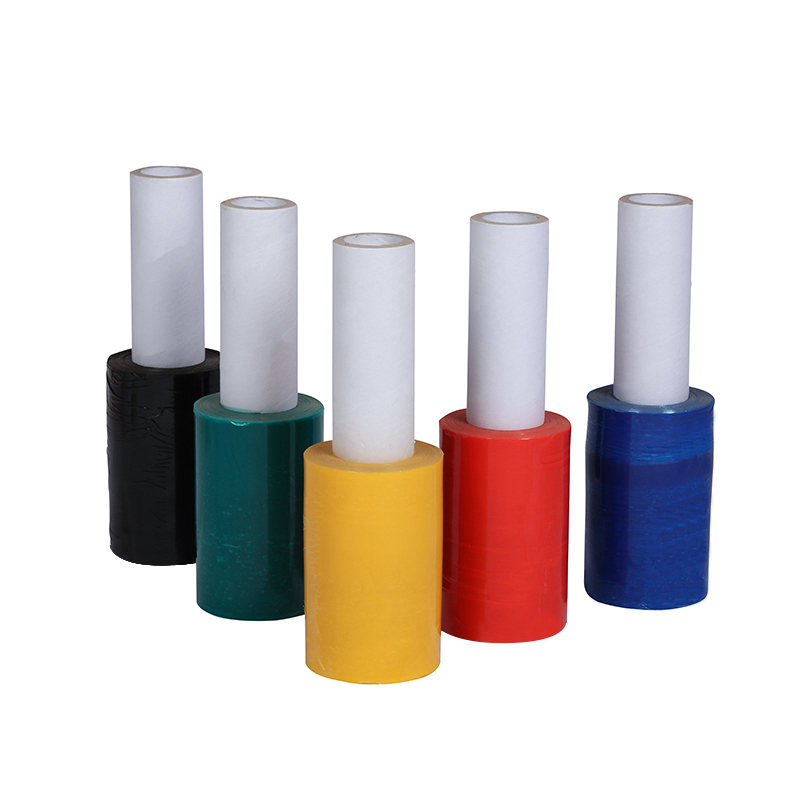
Table of Contents
- What is Small Parts Kitting and Why is it Challenging?
- How Does Narrow-Width Stretch Film Improve Organization in Kitting?
- How Does Narrow-Width Stretch Film Enhance Protection for Small Parts?
- What are the Efficiency Benefits of Using Narrow-Width Film in Kitting?
- How Does Narrow-Width Stretch Film Reduce Material Waste in Kitting?
- What Types of Narrow-Width Films are Best for Small Parts Kitting?
1. What is Small Parts Kitting and Why is it Challenging?
Are you struggling with the complexities of small parts kitting? Small parts kitting is the process of assembling a complete set of individual components into a single package for a specific task or product, which is challenging due to the risk of losing tiny items, maintaining order, and protecting delicate parts from damage during handling and transport.
1.1 Definition and Operational Context
Small parts kitting is a strategic approach in inventory management and production, where all necessary components for a particular assembly step, product build, or customer order are pre-packaged together. This method is widely used in industries ranging from automotive and electronics manufacturing to furniture assembly and e-commerce fulfillment. The goal is to provide assembly line workers or customers with a complete, organized set of parts, eliminating the need to search for individual items and reducing assembly time.
- Example 1: Furniture Assembly: A flat-pack furniture kit includes all screws, dowels, and small connectors bundled together, separate from the larger panels.
- Example 2: Electronics Manufacturing: A kit for a circuit board assembly might contain specific resistors, capacitors, and microchips, grouped for a single workstation.
1.2 Inherent Challenges of Small Parts Management
Managing small parts within a kitting process presents several inherent difficulties. The diminutive size of components makes them prone to loss, misplacement, or accidental mixing. Delicate parts can be easily scratched, bent, or damaged if not properly secured. Furthermore, traditional packaging methods, such as plastic bags or excessive void fill, can be inefficient, generate waste, and make it difficult to quickly identify contents. These challenges directly impact productivity, quality control, and overall operational costs.
-
Example 1: Tiny Screws: A bag of 50 tiny screws can easily spill, leading to lost parts and assembly delays.
-
Example 2: Delicate Connectors: Unsecured electronic connectors can bend pins or get scratched during transit within a larger kit box.
Practical advice for addressing kitting challenges is to conduct a thorough analysis of your current kitting process, identifying common pain points related to part loss, damage, and assembly time. This will help quantify the benefits of implementing more streamlined packaging solutions.
2. How Does Narrow-Width Stretch Film Improve Organization in Kitting?
Are you looking to better organize your small parts kits? Narrow-width stretch film improves organization in kitting by securely bundling related components together into compact, manageable units, preventing parts from scattering, simplifying inventory identification, and ensuring that all necessary items for a specific task remain grouped.
2.1 Creating Cohesive Bundles for Easy Identification
One of the primary benefits of narrow-width stretch film is its ability to create tight, cohesive bundles of small, related parts. Instead of loose items rattling around in a box or bag, the film holds them firmly together. This not only prevents scattering but also makes it much easier for assembly workers or customers to quickly identify and retrieve the correct set of components. The transparency of most stretch films further aids in visual inspection without needing to unwrap the bundle. Dongguan Zhiteng Plastic Products Co., Ltd. offers "bundling stretch film" which is perfectly suited for this application.
- Example 1: Hardware Kits: All the specific bolts, washers, and nuts for a particular sub-assembly can be bundled together, clearly distinct from other hardware sets.
- Example 2: Electronic Components: A set of resistors and capacitors for a specific circuit can be wrapped, ensuring they are not mixed with other values.
2.2 Streamlining Assembly and Reducing Errors
By keeping all necessary parts for a specific step or module together, narrow-width stretch film significantly streamlines the assembly process. Workers spend less time searching for individual components and more time on actual assembly. This reduction in "search time" directly translates to increased productivity. Moreover, the clear grouping of parts minimizes the risk of using the wrong component, leading to fewer assembly errors and a higher quality end product.
- Example 1: Automotive Sub-assemblies: A bundle of clips, fasteners, and small brackets for a door panel can be quickly picked and installed, reducing the chance of using the wrong part.
- Example 2: DIY Project Kits: Customers receive clearly organized bundles, making their assembly experience smoother and more enjoyable, reducing frustration.
Practical advice for improving organization is to standardize your kitting procedures. Determine which parts should always be bundled together and use consistent wrapping techniques to ensure uniform, easily identifiable kits.
3. How Does Narrow-Width Stretch Film Enhance Protection for Small Parts?
Are you worried about damage to delicate small parts? Narrow-width stretch film enhances protection for small parts by creating a secure, conforming barrier that shields components from dust, moisture, and abrasion, while also preventing movement within the kit, thereby minimizing scratches, dents, and other forms of transit damage.
3.1 Shielding Against Dust, Moisture, and Abrasion
Small parts, especially electronic components, polished metal, or painted surfaces, are highly susceptible to damage from environmental factors like dust and moisture, as well as abrasive contact with other parts. Narrow-width stretch film provides a tight, consistent wrap that acts as a protective barrier. It keeps dust and dirt out, offers a degree of moisture resistance, and prevents parts from rubbing against each other, which can cause scratches or scuffs. Zhiteng's films are noted for their "moisture-proof, dust-proof" properties, making them ideal for this protective role.
- Example 1: Polished Metal Components: Small, highly polished metal parts for a luxury product are protected from scratches and fingerprints by a snug film wrap.
- Example 2: Electronic Boards: Delicate circuit boards or sensitive electronic modules can be wrapped to prevent dust accumulation and static discharge during storage and transit.
3.2 Preventing Movement and Impact Damage
Beyond environmental protection, the primary protective function of stretch film is to prevent movement. By tightly bundling small parts, the film eliminates internal shifting within the kit, which is a major cause of impact damage. Even if the larger kit box is jostled, the individual components within the film bundle remain secure, reducing the likelihood of dents, bends, or breakage. The "excellent tensile strength" and "high rebound force" of quality stretch film ensure the bundle remains tight throughout its journey.
- Example 1: Fragile Glass Vials: Small glass vials containing liquids can be bundled securely to prevent them from clinking together and breaking.
- Example 2: Precision Machined Parts: Components with tight tolerances are protected from minor impacts that could alter their dimensions or surface finish.
Practical advice for enhancing protection is to consider the specific vulnerabilities of your parts. For extremely delicate items, combine narrow-width film with additional cushioning within the bundle or kit box.
4. What are the Efficiency Benefits of Using Narrow-Width Film in Kitting?
How can narrow-width film make your kitting process faster? Narrow-width stretch film offers significant efficiency benefits in kitting by enabling faster bundling, reducing labor time compared to alternative methods, streamlining the overall kitting process, and contributing to quicker assembly times downstream, ultimately boosting productivity.
4.1 Faster Bundling and Reduced Labor Time
The application of narrow-width stretch film is remarkably fast, especially when using simple dispensers or even semi-automatic bundling machines. Compared to taping, bagging, or tying, wrapping with narrow film is a quick, single-step process. This speed directly translates to reduced labor time per kit, which is a critical factor in high-volume kitting operations. Operators can bundle multiple small parts in seconds, significantly increasing throughput.
- Example 1: Manual Taping vs. Film: Taping multiple small items together is often a multi-step process (cut tape, apply, repeat). A few quick wraps with narrow film achieve the same result much faster.
- Example 2: Bagging Small Parts: While bags are quick, they often require sealing, labeling, and can be bulky. Film offers a more compact and often faster solution for bundling.
4.2 Streamlined Kitting Process and Quicker Assembly
By simplifying the bundling step, narrow-width stretch film streamlines the entire kitting process. It integrates smoothly into existing workflows, whether parts are being kitted manually or with some automation. The resulting compact, organized, and protected bundles then contribute to quicker assembly times on the production line or for the end-user. Workers don't have to untangle wires, sort through loose hardware, or deal with damaged components, allowing them to focus purely on assembly. Zhiteng's "wire film" is a prime example of a narrow film designed for efficient bundling of cables, preventing tangles.
- Example 1: Wire Harness Kitting: Multiple wires for a harness can be quickly bundled together with narrow film, preventing tangles and ensuring the correct wires are grouped.
- Example 2: Medical Device Assembly: Small, sterile components can be quickly bundled post-sterilization, maintaining their integrity and streamlining the final assembly.
Practical advice for maximizing efficiency is to train operators on proper wrapping techniques to ensure consistent, secure, and fast bundling. Consider ergonomic dispensers to reduce operator fatigue.
5. How Does Narrow-Width Stretch Film Reduce Material Waste in Kitting?
Are you looking to minimize packaging waste in your kitting operations? Narrow-width stretch film reduces material waste in kitting by allowing for precise, minimal film application only where needed, eliminating the excess material often associated with larger bags or bulky void fill, leading to lower material costs and a smaller environmental footprint.
5.1 Precise Application and Minimal Overlap
One of the key advantages of narrow-width stretch film is its ability to be applied with precision. Unlike wider films or bags that often result in excess material for small bundles, narrow film can be wrapped tightly around just the components, with minimal overlap. This targeted application ensures that only the necessary amount of film is used, significantly reducing material consumption per kit. This directly translates to lower material costs and less plastic waste.
- Example 1: Replacing Bags: Instead of using an oversized plastic bag for a few small items, a narrow film wrap uses a fraction of the material.
- Example 2: Eliminating Void Fill: By tightly bundling items, the need for additional void fill (e.g., peanuts, bubble wrap) within the kit box is often reduced or eliminated.
5.2 Economic and Environmental Benefits
The reduction in material usage has both economic and environmental benefits. Economically, using less film per kit lowers the overall packaging cost. Over thousands or millions of kits, these savings can be substantial. Environmentally, reducing plastic consumption aligns with sustainability goals and reduces the carbon footprint associated with manufacturing and disposing of packaging materials. Zhiteng's awareness of "environmental performance" for plastic films highlights this growing industry concern.
- Example 1: Bulk Savings: A company kitting millions of small parts annually can achieve significant cost savings by switching from inefficient packaging to narrow-width stretch film.
- Example 2: Customer Perception: Environmentally conscious customers appreciate packaging solutions that minimize waste.
Practical advice for reducing waste is to experiment with different film widths and gauges to find the optimal balance between security and material consumption for each specific kitting application.
6. What Types of Narrow-Width Films are Best for Small Parts Kitting?
Are you wondering which narrow film is right for your kits? The best narrow-width films for small parts kitting are typically high-performance cast LLDPE films, often pre-stretched or with excellent inherent stretch, offering superior cling, puncture resistance, and clarity, with specialized options like colored or anti-static films available for specific needs.
6.1 Material and Performance Characteristics
For small parts kitting, the choice of film material and its performance characteristics are crucial. Linear Low-Density Polyethylene (LLDPE) is the most common base material due to its excellent stretch, cling, and puncture resistance. Cast films are generally preferred for their quiet unwind and consistent cling. Key characteristics to look for include:
- High Tensile Strength and Elongation: Allows for tight, secure bundles without breaking. Zhiteng emphasizes "excellent tensile strength".
- Good Cling: Ensures the film sticks to itself, maintaining the bundle's integrity.
- Puncture Resistance: Protects against sharp edges of components.
- Clarity: Allows for easy visual identification of contents.
- Quiet Unwind: Important for operator comfort in manual applications.
- Example 1: Standard Bundling: A clear, 2-inch wide, 80-gauge (20-micron) cast LLDPE film with good cling is a versatile choice for general small parts kitting.
- Example 2: Delicate Electronics: An anti-static narrow-width film would be essential for bundling sensitive electronic components to prevent electrostatic discharge (ESD) damage.
6.2 Specialized Films for Specific Needs
While standard clear LLDPE films are versatile, specialized narrow-width films can address particular kitting requirements.
- Colored Films: Can be used for color-coding different kits, indicating urgency, or providing tamper evidence. Zhiteng offers "colored stretch film".
- Anti-Static Films: Crucial for bundling sensitive electronic components to prevent electrostatic discharge (ESD) damage.
- UV-Resistant Films: For parts that might be stored outdoors or exposed to sunlight.
- Printed Films: For branding or adding instructional messages directly on the bundle. Zhiteng offers "printed stretch film".
- Example 1: Automotive Kits: Different colors of narrow film could denote specific vehicle models or assembly stages, preventing mix-ups.
- Example 2: Medical Device Kits: A clear film with high puncture resistance ensures sterile components remain protected until use.
Practical advice for selecting film is to consider the specific characteristics of the parts being kitted (e.g., sharp edges, static sensitivity, need for color-coding) and consult with a reputable film supplier like Dongguan Zhiteng Plastic Products Co., Ltd. to find the optimal solution.
Conclusion
Narrow-width stretch film is an invaluable asset for any operation involved in small parts kitting, offering a multifaceted solution to common challenges. It fundamentally improves organization by securely bundling components, preventing loss and simplifying identification, thereby streamlining assembly processes and reducing errors. Beyond organization, it provides enhanced protection against dust, moisture, abrasion, and impact damage, ensuring delicate parts arrive intact. The efficiency gains are substantial, with faster bundling and reduced labor translating into higher throughput and quicker assembly times. Furthermore, its precise application significantly reduces material waste, offering both economic savings and environmental benefits. With various types of high-performance films available, businesses can select the ideal narrow-width solution to meet their specific kitting needs, ultimately leading to more efficient, cost-effective, and reliable small parts management.
Recommended Products



Ranked in the same article
- how to use the stretch film technology to r
- How can we get detailed price list?
- Gauge to Micron and Millimetre Conversion G
- Five common quality problems of PE protecti
- Plastic film degradation
- How to guarantee punctual shipment for our
- What is the difference between stretch film
- Testing the permeability of stretch film
- Stretch film temperature requirements
- 2025 Guangzhou Packaging Expo Opens, Zhiten
- Electrical wire film VS electrostatic film
Latest news articles
- SWOP - SHANGHAI WORLD OF PACKAGING 2019
- Why does stretch film wrinkle when it is us
- What effects can different colours of Color
- What is Bundling Stretch Film? Your Packagi
- The Ultimate Guide to Hand Stretch Film: Ev
- How to identify high quality flexible stret
- Unraveling the Science: What Factors Influe
- Our services
- Bundling Stretch Film: The Ultimate Guide f
- What Role Does Material Science Play in Enh
- how to use the stretch film technology to r


