Choosing a hand stretch film manufacturer is a sourcing decision, and the reason to buy from a China manufacturer is not simply price. It is the combination of scale, resin access and casting capacity that lets a factory hold one specification steady across large repeat orders. A buyer who needs the same film, pallet after pallet, is usually better served by a manufacturer than by a reseller who cannot control the line.
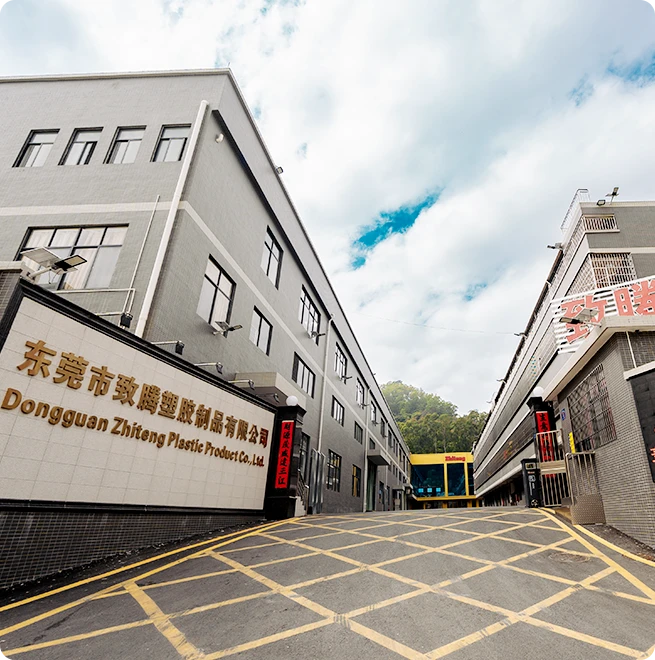
This guide explains what a China stretch film factory actually offers, how to judge one, and the questions that separate a real manufacturer from a trader. It is written from the position of a factory in Dongguan that has made stretch film since 2001, so it describes the checks we expect a serious buyer to run.
Contents
- 1. What a China Manufacturer Offers
- 2. Capacity and Consistency
- 3. Raw Materials and Certification
- 4. The Cost Advantage of Factory-Direct
- 5. Quality Control and Testing
- 6. Customisation and Private Label
- 7. How to Vet a China Stretch Film Supplier
1. What a China Manufacturer Offers
A hand stretch film manufacturer owns the cast lines that turn resin into film. That ownership is the whole point: it means the width, thickness, colour and core of your film are set by the factory’s own equipment, and can be adjusted to your specification rather than limited to whatever a reseller happens to stock.
For an importer, that translates into three things a trader cannot easily match: a stable specification, the ability to change it when the load changes, and a direct line to the people who made the roll if something goes wrong. The way those benefits show up in price and terms is covered in our guide to hand stretch film wholesale.
2. Capacity and Consistency
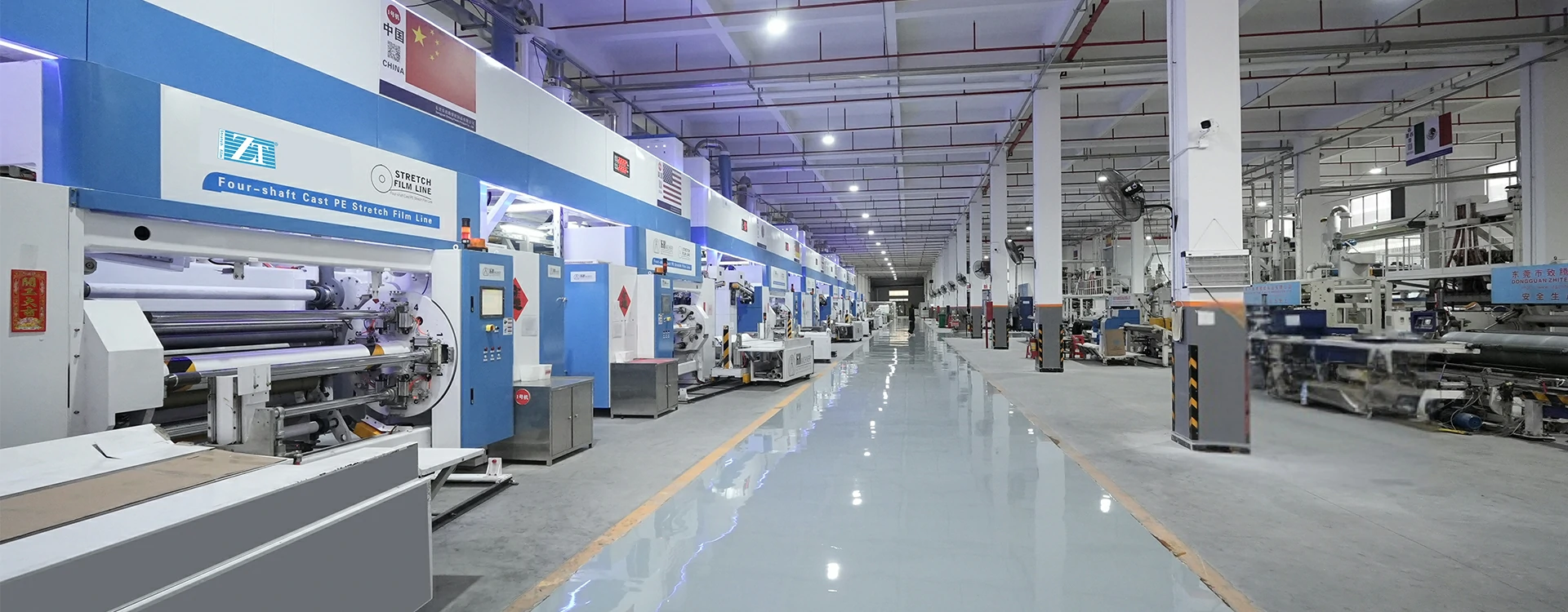
Scale is what makes consistency affordable. A factory running many cast lines can dedicate capacity to a standing order, which keeps the same resin, the same line settings and the same gauge week after week. That repeatability matters more to a buyer than the peak output figure, because a roll that measures the same every delivery is what protects a wrapping routine downstream.
Consistency also extends across the range. A buyer who takes hand film, machine film and jumbo rolls from one factory gets one standard rather than three, which is why distributors in particular prefer a single source; the product breadth behind that is set out in our manufacturing overview.
3. Raw Materials and Certification
Film performance starts with resin. A manufacturer that buys virgin LLDPE from established producers can hold stretch and puncture resistance that recycled or blended resin cannot match reliably. For export markets, certification is the second half of the same story, because buyers in Europe and North America increasingly need documentation alongside the film.
The certifications worth confirming are ISO 9001 for quality systems, REACH and RoHS for restricted substances, and, where relevant, food-contact or recycled-content documentation. Ask for the certificates rather than a claim, and check that the specification sheet names the resin type; the difference between virgin and metallocene grades is explained in our guide on hand stretch film thickness.
Colour is another reason to buy from one source, since matching a brand colour across hand film and roll formats is easier inside a single factory, and the uses are set out in our guide to black and colored stretch film uses.
Where the same factory also supplies film for a packing bench, the sourcing decision overlaps with e-commerce packaging, which is covered in our article on stretch film for e-commerce and retail.
4. The Cost Advantage of Factory-Direct
Buying from the manufacturer removes a trader margin, and it does so without changing the product. But price is only part of the advantage. A factory can also tailor the specification so you do not pay for performance you do not need: a slightly thinner film for a light load, a standard core instead of a special one, or one colour standardised across a repeat order.
The trap is treating the cheapest quote as the best one. A lower price achieved by cutting thickness below specification, or by substituting resin, costs more in the end, because the film fails on the line. The way to compare quotes on equal terms is set out in our article on hand stretch film vs machine stretch film.
The end product those lines make is the same hand film an operator uses, and how it behaves on a load is set out in our pillar guide on hand stretch film.
5. Quality Control and Testing
A manufacturer’s quality control is what a buyer is really paying for. The checks that matter are thickness measurement with a stated tolerance, elongation and puncture testing, and a cling test that reflects how the film behaves on a real load. A factory that tests each batch can trace a problem to a line and a run date, which is the difference between a claim that is resolved and a claim that is argued.
For the buyer, the practical step is to ask for a specification sheet with tolerance and a sample roll before the first bulk order, then to compare the sample against the sheet on arrival. Holding a manufacturer to its own numbers is the simplest quality system there is, and it works best when the film is specified by micron rather than by gauge alone.
6. Customisation and Private Label
A manufacturer can customise far more than a reseller: thickness from 5 to 80 micron, width from 100 to 1500 mm, colour to a matched sample, and print in up to three colours. For private-label sellers, that means the roll can carry their own brand without them owning a factory, which is the model described in our article on custom printed hand stretch film.
Customisation is also where a manufacturer earns its keep on repeat business, because a print or colour that has been approved once can be re-run on request. The range of options for a bespoke film is set out in our custom stretch film solutions.
Customisation is not limited to pallet film. Narrow rolls for parcels can be customised the same way, and those formats are covered in our guide to handy and mini stretch wrap.
Because many buyers order the film and the tool together, matching the core to the holder avoids a common error, as explained in our guide to choosing a stretch film dispenser.
7. How to Vet a China Stretch Film Supplier
Separating a manufacturer from a trader takes a short list of questions. A factory answers them specifically; a reseller hedges.
- Ask how many cast lines it runs, and in what widths. A factory knows; a trader guesses.
- Ask for the resin source. Named virgin LLDPE suppliers indicate a controlled process.
- Ask for certificates, not claims: ISO 9001, REACH, RoHS, and any product-specific documents.
- Ask for a sample and a specification sheet with thickness tolerance, then compare them.
- Ask who answers a quality claim and how quickly, and get the answer in writing.
A supplier that handles all five without hesitation is one you can build a specification with. Where a buyer also runs pallets, the same factory should be able to supply the full method, which is described in our guide on how to wrap a pallet by hand.
Get a Free Quote from ZT Packaging
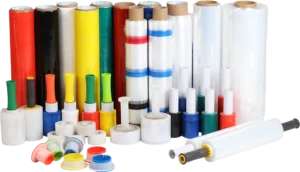
Tell us the specification you need and the volume you run, and we will answer the vetting questions above in writing, with a sample roll to check against the sheet. ZT Packaging has manufactured hand stretch film in Dongguan since 2001, on 20 cast lines with annual capacity above 60,000 tons, and exports to more than 60 countries; the products that come off those lines are shown in our hand stretch film range.
Email zt@dgztpacking.com or call +86-0769-87897718.
Frequently Asked Questions
Why buy hand stretch film from a China manufacturer?
Because a manufacturer controls the cast lines, so it can hold one specification steady, adjust thickness, width and colour, and trace quality issues to a production run. Buying factory-direct also removes a reseller margin.
How do I check that a supplier is a real factory?
Ask how many cast lines it runs and in what widths, request the resin source, and ask for ISO 9001, REACH and RoHS certificates. A factory answers with specifics; a trader stays vague.
Are Chinese stretch film manufacturers reliable?
The established ones are, and export markets depend on them. Reliability comes from a named specification sheet with tolerance, an approved sample, and a clear route for claims, rather than from the country of origin.
What certifications should a stretch film manufacturer have?
ISO 9001 for quality systems, REACH and RoHS for restricted substances, and SGS or equivalent product testing. Food-contact and recycled-content documents may also be needed depending on the market.
Can a China manufacturer make a private-label film?
Yes. Private label and OEM printed film are standard options, with artwork supplied as vector and colour matched before production, as described in our guide to custom printed hand stretch film.